Mercer Island Community

Youth Sprints · Winter 2027 · Cohort 1

Real island problems.
Real clients.
AI as the crew.

High schoolers spend six weeks solving a real problem for a Mercer Island organization. They use AI to go further, check everything against the real world, and defend their work live, in person.
Register with an invite Read the charter

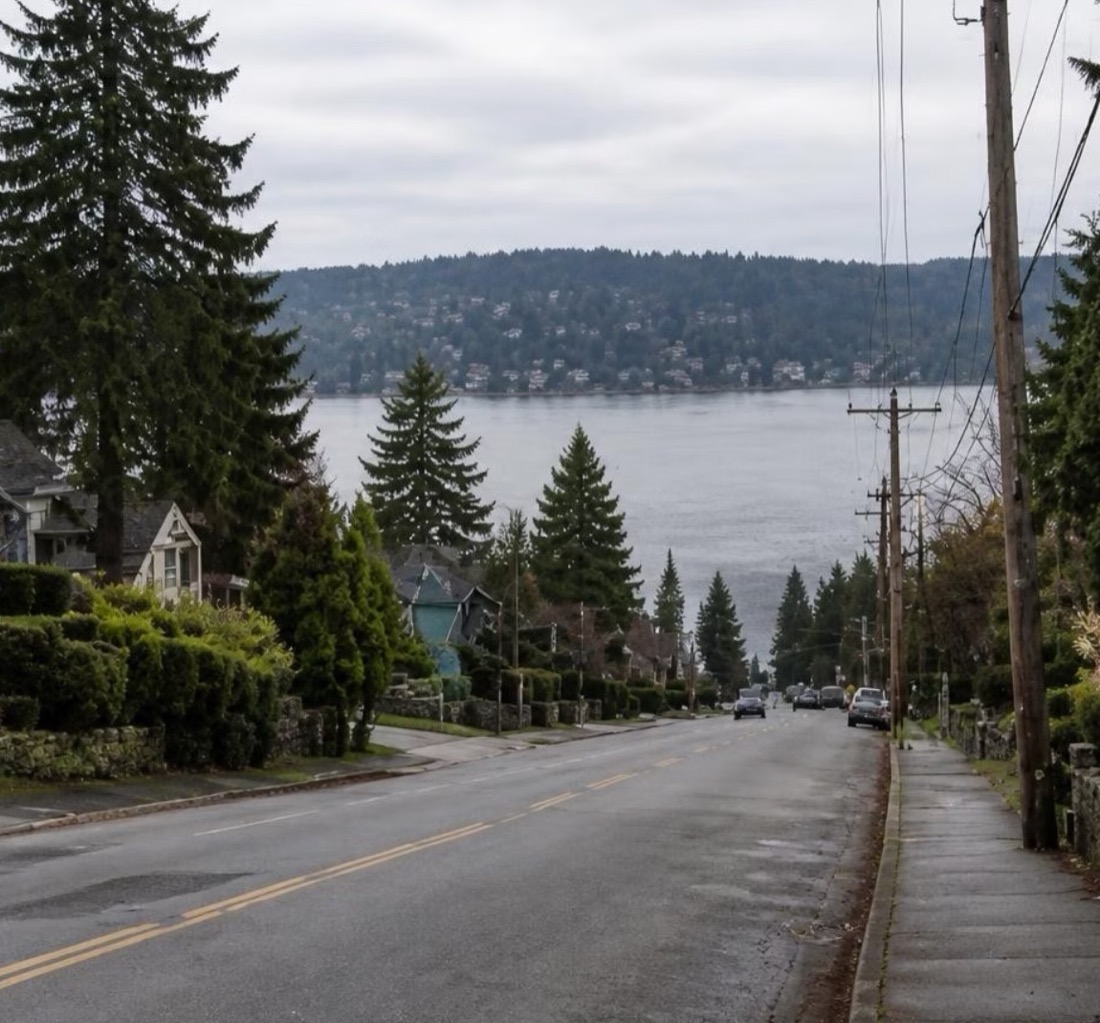
A Mercer Island street running downhill between evergreens to Lake Washington

The weekly rhythm

How it works

Every week runs the same loop. The defense at the end is what makes it real.
A four-step loop: go out and observe, build with AI, check it against reality, explain it to your mentor, then repeat; after six weeks, a live defense. 1Go out 2Build with AI 3Check reality 4Explain it weekly Defendlive, in personweek 7
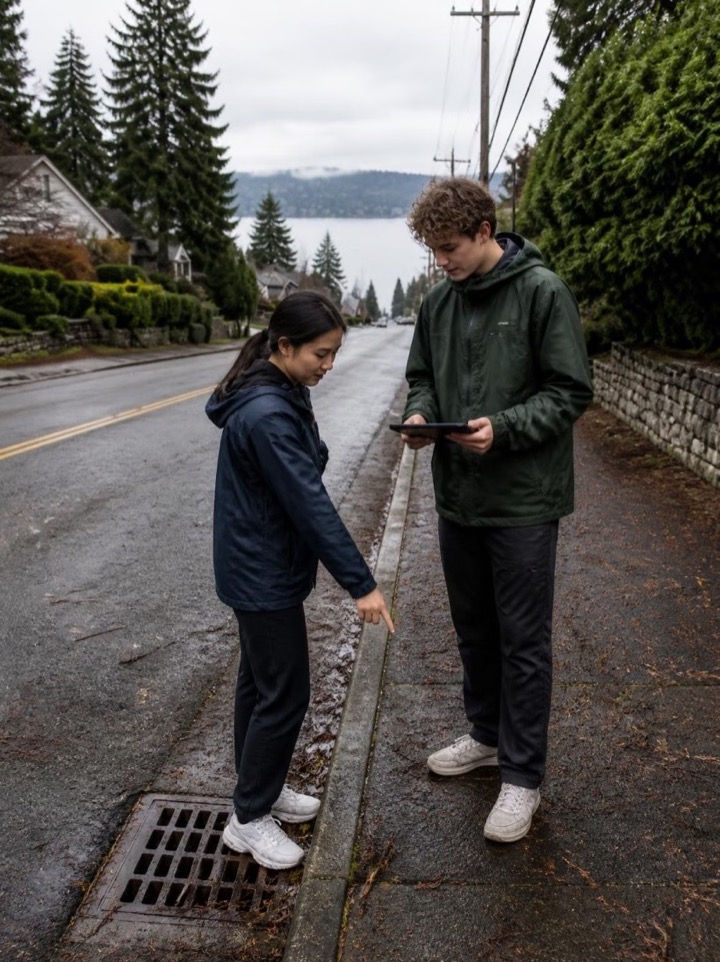
Two teenagers checking a storm drain on a wet island street, one holding a tablet
AI-generated image, not real participants.

Cohort 1 projects

The three challenges

Each one has a real island client, something real to deliver, and a way to check it against the world.

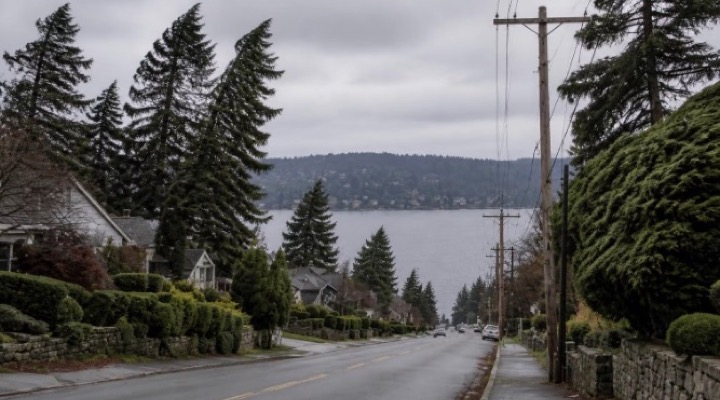
An island street lined with tall evergreens and power poles above the lake

Windstorm readiness

Client
City emergency volunteers
Deliver
A neighborhood readiness map and an outage checklist
Checked by
Forecasts vs. real outages, plus a walk of the streets
Job it trains
Forecaster, verifier
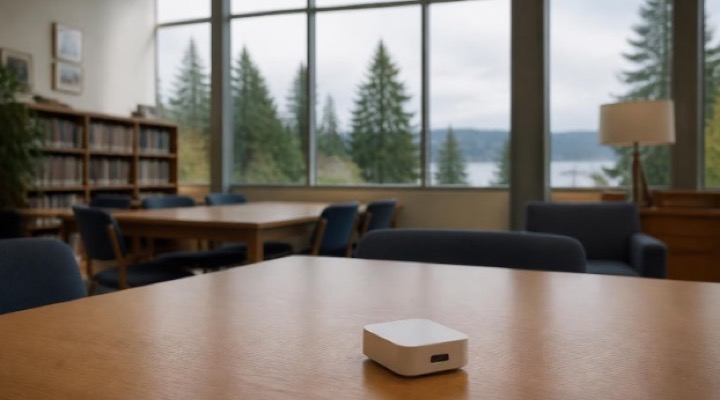
A small air sensor on a table in a library reading room

Indoor air in public buildings

Client
A public building's facility manager
Deliver
A ventilation recommendation, signed off by the manager
Checked by
CO₂ and fine-particle sensors in the room
Job it trains
Building-data analyst
An older woman and a young adult looking at a laptop together in a library
AI-generated image, not real participants.

Island AI Impact Watch

Client
Island groups: seniors, small businesses, city systems
Deliver
A cited briefing, scored forecasts and one practical defense, such as a scam-awareness session
Checked by
Next year's cohort scores this year's forecasts
Job it trains
AI policy and risk analyst

Team structure

A pod works like a real team

Four students, four roles. The roles rotate, so everyone does every job once.
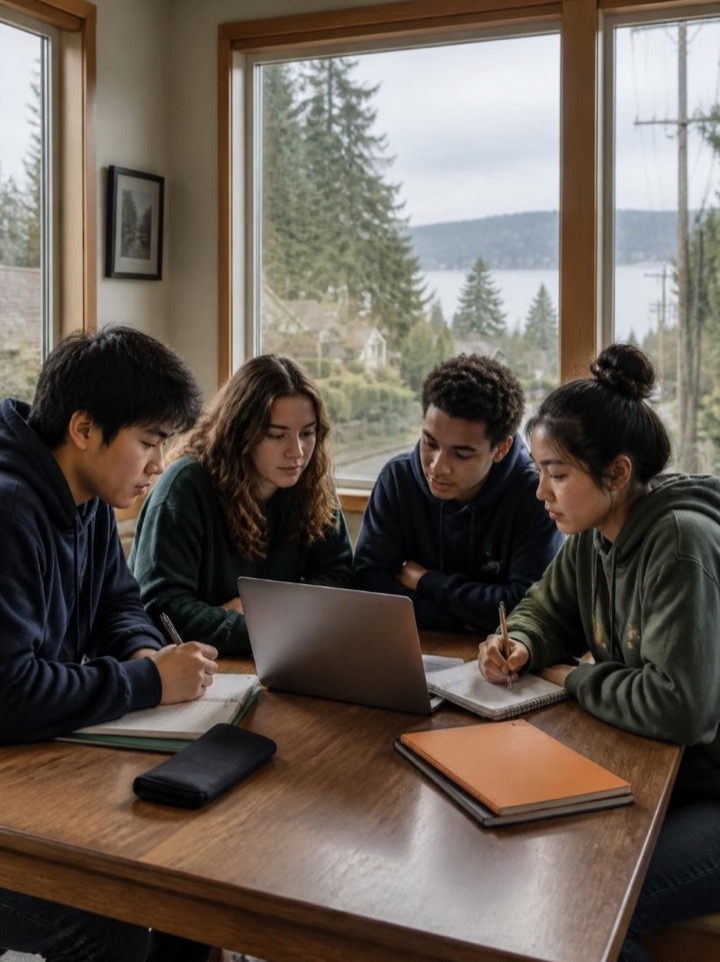
Four teenagers working around a table with a laptop and notebooks
AI-generated image, not real participants.
A pod: four roles around the island client. Field lead collects ground truth, agent operator directs the AI, verifier checks the AI against the field data, and client lead works with the client. Island client+ mentor Field leadcollects ground truth Agent operatordirects the AI Verifierchecks AI against reality Client leadearns the client's trust

Winter 2027 schedule

Six weeks, start to finish

Timeline: all three challenges start January 11, 2027. Windstorm and indoor air end February 19; AI Impact Watch ends February 26. Group office hours every week. Demo night and live defenses in early March. Jan 11Jan 25Feb 8Feb 22Mar Windstorm Indoor air AI Impact Watch Office hours Demo night early March

Venue and the exact demo-night date are being confirmed with the library.

The shipping gate

Five questions before anything ships

No project moves forward until the pod answers these five questions and a mentor signs off. They are the same questions AI teams face at work.

A project moves from Draft to Verified only after five trust gates: data lineage, refusal boundary, failure mode, neighbor trust and steelman critique. Then Demo-ready, then Attested by a mentor. Draft 1 · Where does the data go? 2 · When must a human decide? 3 · What if the AI is wrong? 4 · Why trust it? 5 · Best case against it? Verified Demo-ready Attestedby mentor

Calibration and feedback

Learning means getting less surprised

Before going out, each pod writes down predictions with odds. Reality scores them. The defense asks: where were you most surprised, and what did you change?

Example forecast ledger with three predictions. A 70 percent forecast that came true gives low surprise; a 90 percent forecast that did not happen gives high surprise; a 40 percent forecast that came true gives medium surprise. PredictionOddsHappened?Surprise This block loses power in the next storm warning 70% yes The warming center opens within 2 hours 90% no CO₂ in the meeting room passes 1,000 ppm 40% yes

An illustration, not real data. Scores are for the whole pod, never one student, and they're feedback, not grades. A computer program does the math; no AI grades anyone.

Why now

Why now

AI keeps gaining abilities nobody predicted. OpenAI's chief scientist recently published this ladder. Our students learn the jobs that come with each rung.

The AI capability ladder: as a model's prediction error falls, new abilities appear: fluent conversation, benefits from thinking before answering, useful coder, cybersecurity expert, a solved Millennium Prize math problem, and an unknown next window. worsebetter prediction error Fluent conversation Benefits from thinking before answering Useful coder Cybersecurity expert Solved a Millennium Prize math problem Next window: unknown

Spacing is approximate. Source: Jakub Pachocki, "Perplexity and Intelligence," OpenAI, November 22, 2026.

Mentors

For mentors

You bring a real problem and your judgment. A pod of four students brings the hours and the AI. About one to two hours a week, always in a group.

A mentor's six weeks: before the start, share a real problem; in week 1, kick off with the pod; weeks 1 to 6, join weekly group office hours; before demo night, sign off the five trust gates; at demo night, ask the questions students have never seen and attest the work. 1Share areal problembefore Jan 11 2Kick offwith your podweek 1 3every weekGroup office hourscoach, push backweeks 1–6 · 1–2 h 4Sign off thefive trust gateslate February 5Ask the unseenquestions, attestdemo night

You do

  • Bring one real problem your organization actually has
  • Coach at weekly group office hours in a public place
  • Check the pod's work against what you know is true
  • Keep the defense questions to yourself until demo night
  • Attest the work if, and only if, it holds up

You never

  • Never one-on-one. No private meetings, messages or chats with a student
  • Never grade. You sign off work, you don't score people
  • Never do the work for them, or let the AI do the thinking
  • Never collect anything about a student: no names in tools, no photos

Participation

What families need

  • An invite code
    A parent registers; students never get an account.
  • A Mercer Island high-school student
    Curious, willing to be wrong in public.
  • January 11 to late February
    Plus weekly group office hours at a public venue.
  • A live defense in early March
    In person, unrecorded, in front of your client.
  • Any AI tool you like
    Plus a short log of what it did and what you checked.
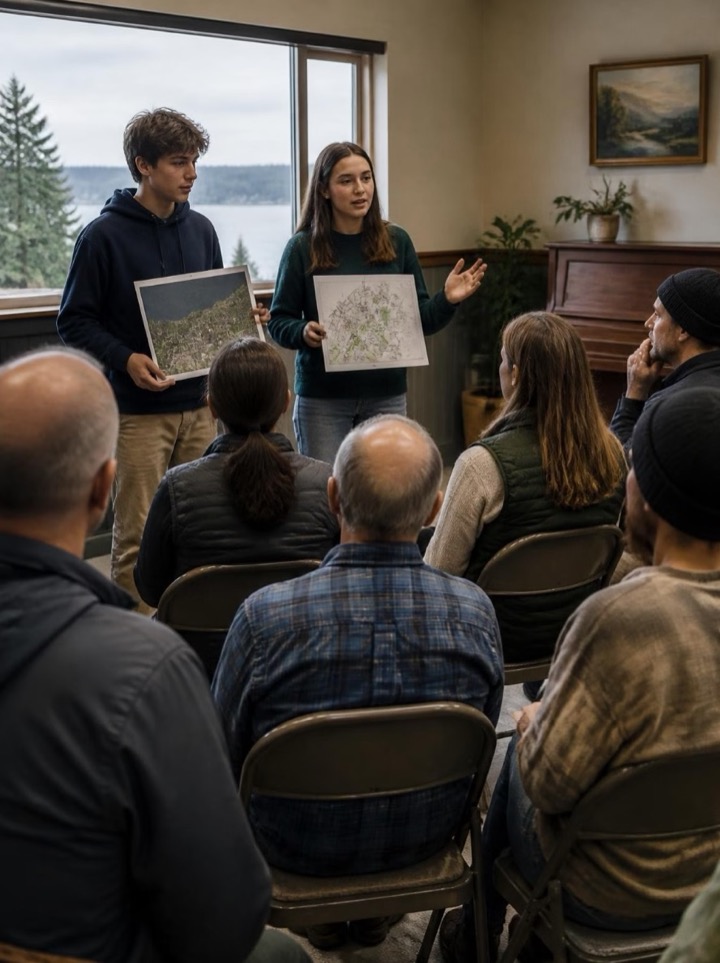
Two teenagers presenting maps to seated adults in a community room
AI-generated image, not real participants.

Privacy and data

What we never keep

What we keep: a parent's or mentor's email and cohort. What we never keep: student names, photos, grades or chat transcripts. Everything is deleted on April 29, 2027. We keep ✓ A parent's or mentor's email✓ Which cohort We never keep ✕ Student names or photos✕ Grades or scores✕ AI chat transcripts Cohort ends Mar 15All deleted Apr 29, 2027

Join Cohort 1

Have an invite?

Register Read the charter

Island organizations with a real problem a team of students could take on: we would love to hear from you.